
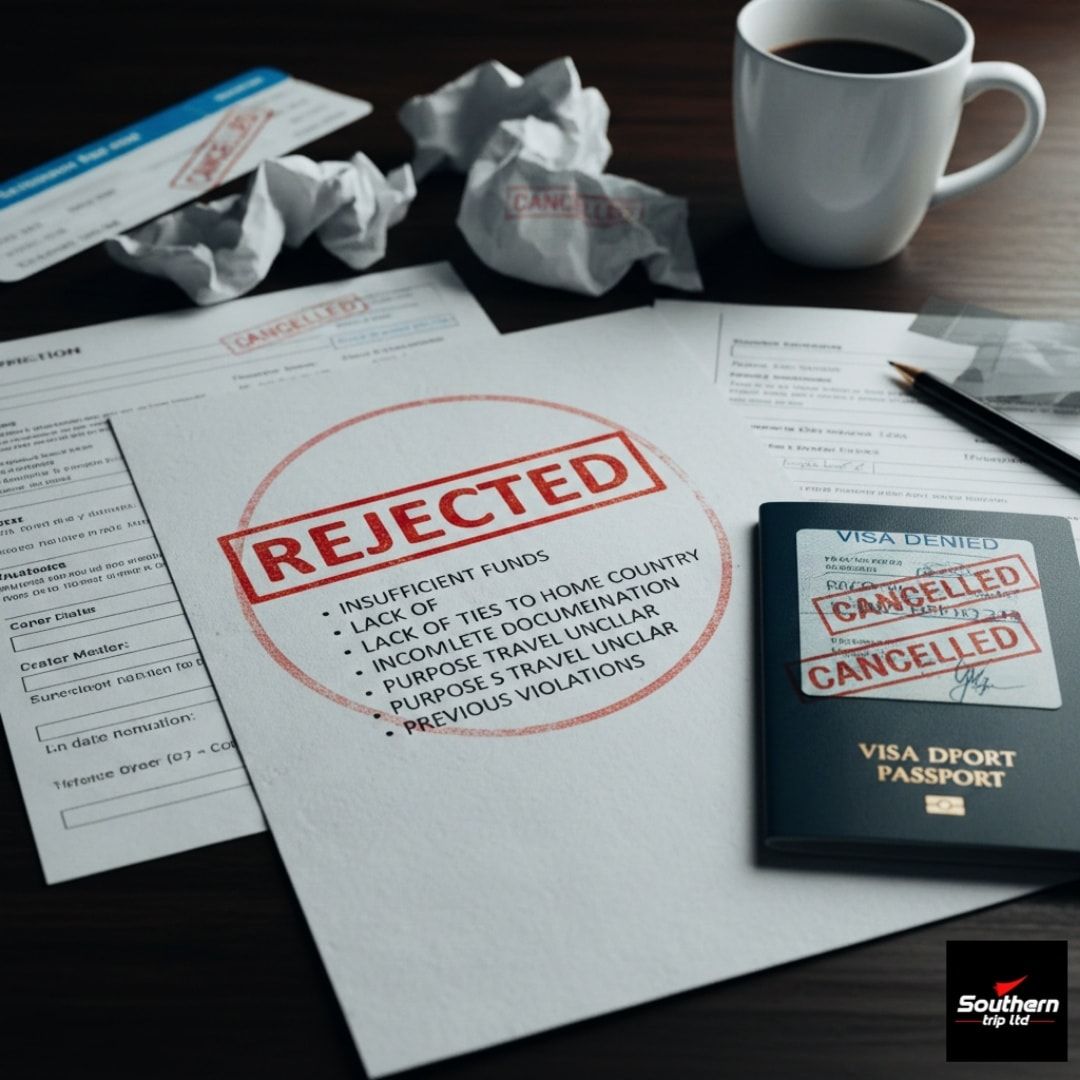
Full Description
Common Schengen Visa Rejection Reasons – Complete Guide for Indian Travellers (2026)
Planning a dream vacation to Europe? A Schengen Visa is your gateway to exploring 29 European countries with a single visa. However, every year, many Indian applicants receive a Schengen visa refusal due to avoidable mistakes in their application or supporting documents.
Understanding the common reasons for Schengen visa rejection can significantly improve your chances of approval.
At E Tour Partner, we assist travellers with Schengen visa documentation, application guidance, itinerary planning, travel insurance, and complete travel support to help ensure a smooth visa process.
What Is a Schengen Visa?
A Schengen Visa is a short-stay visa that allows eligible travellers to visit multiple Schengen countries for tourism, business, family visits, or other approved short-term purposes.
With one valid Schengen visa, you can travel across participating Schengen countries without additional border checks between them.
Why Are Schengen Visa Applications Rejected?
Visa officers carefully assess every application to determine whether the applicant meets the visa requirements. They evaluate the authenticity of documents, financial stability, travel purpose, and the applicant's intention to return to their home country before the visa expires.
Even a small mistake can result in a visa refusal.
1. Incomplete Visa Application Form
One of the most common reasons for rejection is submitting an incomplete or incorrectly filled application form.
Common mistakes include:
- Missing mandatory information
- Incorrect passport details
- Different travel dates across documents
- Unsigned application form
- Typographical errors
Tip: Double-check every detail before submitting your application.
2. Insufficient Financial Proof
Applicants must demonstrate that they have enough funds to cover their trip.
Common issues include:
- Low bank balance
- Unexplained large deposits
- Missing bank statements
- Inconsistent financial records
- Lack of supporting financial documents
Provide genuine and consistent financial evidence that reflects your ability to fund your travel.
3. Unclear Purpose of Travel
Visa officers should clearly understand why you are travelling.
Your application should include supporting documents such as:
- Flight itinerary
- Hotel bookings
- Day-wise travel itinerary
- Invitation letter (if applicable)
- Business meeting details (for business visas)
All documents should align with your stated travel purpose.
4. Invalid or Inadequate Travel Insurance
Most Schengen visa applicants must submit travel medical insurance that meets Schengen requirements.
Common reasons for rejection include:
- Incorrect coverage amount
- Insurance not covering all Schengen countries
- Policy not valid for the full travel period
- Expired insurance policy
Always ensure your insurance complies with Schengen visa regulations.
5. Doubts About Returning to India
Visa officers must be satisfied that you intend to leave the Schengen Area before your visa expires.
Factors that may help demonstrate strong ties to India include:
- Stable employment
- Business ownership
- Family responsibilities
- Property ownership
- Ongoing education
- Financial commitments
Supporting evidence should accurately reflect your personal circumstances.
6. Incorrect or Fake Documents
Submitting false, altered, or misleading documents can result in:
- Immediate visa refusal
- Future visa complications
- Potential restrictions on future applications
Always provide authentic and verifiable documentation.
7. Weak Travel History
While first-time travellers can certainly obtain a Schengen visa, applicants with limited international travel history may receive closer scrutiny.
If you are a first-time traveller, ensure the rest of your documentation is complete, consistent, and well-prepared.
8. Passport Issues
Your passport should generally:
- Be valid for the required period
- Have sufficient blank pages
- Be in good physical condition
Damaged passports or those nearing expiry may create complications during the visa process.
9. Inconsistent Supporting Documents
Every document in your application should tell the same story.
Common inconsistencies include:
- Different travel dates
- Different hotel bookings
- Mismatched flight itineraries
- Employer letter not matching leave dates
- Conflicting travel plans
Consistency is one of the most important factors in a successful visa application.
10. Previous Visa Violations
Previous immigration issues may affect future visa applications.
Examples include:
- Overstaying a previous visa
- Violating visa conditions
- Providing incorrect information in earlier applications
Always disclose previous visa history honestly when required.
11. Lack of Strong Employment or Business Proof
For employed applicants, documents may include:
- Employment letter
- Leave approval
- Salary slips
- Income tax documents
For business owners:
- Business registration
- GST registration (where applicable)
- Company bank statements
- Business financial records
These documents help demonstrate financial stability and ties to India.
12. Poorly Planned Travel Itinerary
An unrealistic or incomplete itinerary can raise questions.
A strong itinerary should include:
- Entry country
- Exit country
- Hotel bookings
- City-wise travel plan
- Sightseeing schedule
- Transportation between destinations
Professional itinerary planning helps create a clear and credible travel plan.
What Should You Do After a Schengen Visa Refusal?
Receiving a refusal does not necessarily mean you cannot apply again.
You should:
- Carefully review the refusal letter.
- Identify the specific reason(s) for refusal.
- Correct any deficiencies or errors.
- Gather stronger supporting documents if needed.
- Reapply only after addressing the issues.
Avoid submitting a new application without resolving the concerns raised in the refusal.
Tips to Improve Your Schengen Visa Approval Chances
Follow these best practices:
- Complete the application form accurately.
- Submit genuine and complete documentation.
- Maintain consistent travel information across all documents.
- Show sufficient financial resources.
- Purchase compliant travel insurance.
- Provide a realistic travel itinerary.
- Demonstrate strong ties to India.
- Apply well in advance of your travel date.
Final Thoughts
A Schengen visa refusal can be disappointing, but understanding the common rejection reasons can help you prepare a stronger application in the future. Careful planning, accurate documentation, and consistency are key to improving your chances of approval.
Whether you're travelling for tourism, business, or to visit family, E Tour Partner is here to assist you with visa guidance and complete international travel planning, helping you begin your European journey with confidence.
Frequently Asked Questions (FAQs)
1. What are the most common Schengen visa rejection reasons?
Common reasons include incomplete applications, insufficient financial proof, inconsistent documents, unclear travel purpose, inadequate travel insurance, and doubts about the applicant's intention to return to India.
2. Can I apply again after a Schengen visa refusal?
Yes. You may submit a new application after addressing the issues mentioned in the refusal letter and providing stronger supporting documents where necessary.
3. Does a previous Schengen visa refusal affect future applications?
A previous refusal does not automatically prevent future approval, but visa officers may review your application more carefully. It is important to resolve the earlier concerns before reapplying.
4. How much bank balance is required for a Schengen visa?
There is no single amount applicable to all countries. The required funds depend on the destination, duration of stay, accommodation arrangements, and local requirements. Applicants should demonstrate that they have sufficient financial resources to cover their trip.
5. Is travel insurance mandatory for a Schengen visa?
Yes. Applicants are generally required to have travel medical insurance that meets the Schengen visa requirements and covers the entire duration of their trip.
6. Can first-time international travellers get a Schengen visa?
Yes. First-time travellers can be approved if they provide complete, genuine, and well-organized documentation that meets the visa requirements.
7. How early should I apply for a Schengen visa?
It is advisable to apply several weeks before your intended travel date to allow sufficient time for processing and any additional document requests.
8. Can E Tour Partner help with Schengen visa applications?
Yes. E Tour Partner offers guidance on documentation, application review, itinerary planning, travel insurance, and Europe tour packages to support travellers through the Schengen visa application process.
Why Choose E Tour Partner for Your Schengen Visa?
E Tour Partner assists Indian travellers with every stage of the Schengen visa process.
Our services include:
- Schengen Visa Guidance
- Document Checklist Assistance
- Visa Application Review
- Travel Itinerary Planning
- Flight Reservation Assistance
- Hotel Booking Support
- Travel Insurance Guidance
- Europe Tour Packages
- Family Holiday Planning
- Honeymoon Packages
- Business Travel Assistance
- Dedicated Customer Support
Our experienced team focuses on helping travellers submit accurate, well-organized applications while avoiding common mistakes.
Recent Posts
-
 Australia Travel Guide (2026): Best Places to Visit & Tour Packages | E Tour Partner
 -
 Venezuela Travel Guide (2026): Best Places to Visit & Tour Packages | E Tour Partner
 -
 Estonia Travel Guide (2026): Best Places to Visit & Tour Packages | E Tour Partner
 -
 Iceland Travel Guide (2026): Best Places to Visit & Tour Packages | E Tour Partner
 -
 Philippines Travel Guide (2026): Best Places to Visit & Tour Packages | E Tour Partner